
This post may contain affiliate links or ads and we may earn a small commission when you click on the links at no additional cost to you. As an Amazon Affiliate, we earn from qualifying purchases. This is at no additional cost to you and helps with our website expenses.
Camp fire cooking equipment – it’s the heart and soul of any successful outdoor adventure.
Cooking over an open fire isn’t just about sustenance; it’s an experience that brings us closer to nature and our primal roots.
Whether you’re a seasoned camper or a novice, a backpacker or a family on a leisurely camping trip, having the right equipment can transform your camp fire meals from basic to extraordinary.
To truly enjoy the magic of camp fire cooking, you’ll need gear that’s robust and reliable, yet flexible enough to accommodate a variety of cooking methods. From traditional cast-iron pans to innovative, compact cookware for lightweight backpacking, the range of options is vast.
The Importance of Camp Fire Cooking Equipment
Why Gear Matters
Having the right camp fire cooking equipment can make all the difference. It’s not just about getting your food cooked; it’s about ease of use, versatility, and longevity.
Quality gear can stand up to the elements, and more importantly, it can enrich your camping experience.
A good piece of equipment can transform a basic camping meal into a feast under the stars. Picture this: you’re surrounded by nature, the camp fire is crackling, and your trusty skillet is sizzling away, turning simple ingredients into a delicious, heart-warming meal.
Modern and Traditional Methods
Whether you’re a fan of traditional methods or prefer modern conveniences, there’s a piece of camp fire cooking equipment out there for you.
From the old-school cast iron dutch oven, perfect for slow-cooking a hearty stew, to the innovative camping stoves designed for portability and speed, the options are endless.
The Right Camp Fire Cooking Equipment for You

Here’s a quick list of common types of camp fire cooking equipment you might consider:
- Cast iron skillet: A versatile classic, great for everything from frying bacon to making cornbread.
- Dutch oven: Ideal for slow-cooking meals, baking bread, or even making desserts.
- Camping stove: Compact and convenient, these are perfect for quick meals and boiling water.
- Grill grate: Fits over your camp fire, great for grilling meats or vegetables.
- Camping kettle: Perfect for boiling water for coffee, tea, or dehydrated meals.
- Camp fire tripod: A traditional tool used to hang pots and kettles over the fire.
List of Recommended Camp Fire Cooking Equipment
When it comes to choosing camp fire cooking equipment, the options might seem overwhelming. But don’t worry, we’ve got your back!
Here’s a curated list of our top-rated gear, segmented by purpose – whether you’re setting up at a campsite or backpacking through the wilderness.
Top Picks for Camp Fire Cooking Equipment (Performance-Focused)
1. Lodge 15 Inch Cast Iron Pre-Seasoned Skillet

Its naturally seasoned cooking surface creates an easy-release finish that improves with each use, making it ideal for preparing delicious meals over a campfire.
The teardrop handle provides a secure grip, allowing you to effortlessly cook and serve your favorite campfire dishes. Whether you’re roasting marshmallows or creating savory campfire recipes, the Lodge 15 Inch Cast Iron Pre-Seasoned Skillet is designed to elevate your campfire cooking experience to new heights.

Features Include:
- Versatile: Use on any kitchen cooktop, oven, grill, or over a camp fire.
- Easy to Season: Pre-seasoned with 100% natural vegetable oil for a non-stick cooking experience.
- Durable: Made with high-quality cast iron for long-lasting performance.
- Heat Retention: Ensures even cooking from edge to edge.
- Rust-Resistant: Regular care and maintenance keep it in top condition.
- Teardrop Handle: Provides a secure grip and easy maneuvering.
- Classic Design: Timeless black color adds a touch of elegance to your kitchen.
Elevate your cooking experience with the Lodge 15 Inch Cast Iron Pre-Seasoned Skillet. Perfect for camp fire cooking and designed to withstand the test of time.
2. Camp Chef Dutch Oven
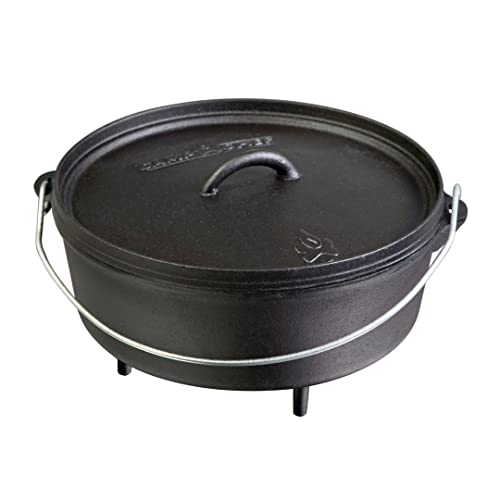
Its True Seasoned Finish cast iron construction ensures exceptional heat retention and distribution. The flanged lid allows for coal placement on top, while the convenient loop handle provides easy lifting.
Additionally, the metal bail handle ensures safe transportation. The built-in thermometer notch enables precise temperature control, ensuring perfectly cooked meals every time. With its durable construction weighing 20 lbs, this Dutch Oven is built to withstand outdoor use.
Features Include:
- 12″ deep design with 8-quart capacity
- True Seasoned Finish cast iron construction
- Flanged lid for coal placement on top
- Convenient loop handle for easy lifting
- Metal bail handle for safe transportation
- Built-in thermometer notch for precise temperature control
- Durable construction weighing 20 lbs
3. Weber Traveler Portable Gas Grill

It provides a large grilling area that can accommodate up to 15 burgers at once, ensuring your entire meal is ready at the same time. One of its standout features is the one-handed setup and collapse mechanism. The grill is attached to the cart, allowing for quick and easy setup – perfect for those spontaneous cookouts.
When it’s time to pack up, the compact fold design ensures it takes up minimal space in your garage or car trunk, making it a breeze to transport and store.
The Weber Traveler Portable Gas Grill is not just about convenience; it’s also built to optimize gas usage. You can attach a 16 oz. gas canister, or use an adapter hose to connect to a larger tank (sold separately), giving you flexibility based on your grilling needs.
Moreover, this grill features an automatic lid lock for safety and security during transportation and storage. Its design allows for a one-handed setup and fold, making it user-friendly and perfect for solo trips or family outings.
Features Include:
- One-handed setup and collapse for convenience
- Compact fold design for easy storage and transportation
- Large grilling area with a 15 burger capacity
- Designed to optimize gas usage
- Can be used with a 16 oz. gas canister or connected to a larger tank (adapter hose required)
- Automatic lid lock for safety
With the Weber Traveler Portable Gas Grill, you can enjoy delicious grilled meals wherever you go. It’s not just a grill; it’s a travel companion that brings the comfort of home-cooked meals to the great outdoors.
4. GSI Outdoors Percolator Coffee Pot for Stove or Fire

This ultra-rugged coffee maker is designed to brew coffee over both stove and fire, making it an ideal choice for group camping. With a generous 14.4-ounce capacity, you can easily serve up to 14 cups of delicious coffee to your fellow campers.
Crafted from polished stainless steel, this percolator is not only visually appealing but also highly durable. The sturdy structure is built from Glacier Stainless steel, weighing 2 lbs 2 oz, making it resistant to corrosion and capable of withstanding ground impacts. It’s gas stovetop compatible, adding to its versatility and convenience.
One of the standout features of the GSI Outdoors Percolator is the PercView glass dome. It allows you to watch your coffee brew for precision cook-time, transforming coffee-making into an engaging experience rather than just a routine.
Features:
- 14.4-ounce capacity for group servings
- Glacier Stainless steel construction for durability and corrosion resistance
- Gas stovetop compatible
- PercView glass dome for precision brewing
- Ensures great tasting coffee, just like at home
With the GSI Outdoors Percolator Coffee Pot, you can stay caffeinated and enjoy the rich flavors of your favorite coffee, wherever your adventures take you.
Top Camp Fire Cooking Equipment for Backpacking (Lightweight and Compact)
1. MSR PocketRocket Stove Kit
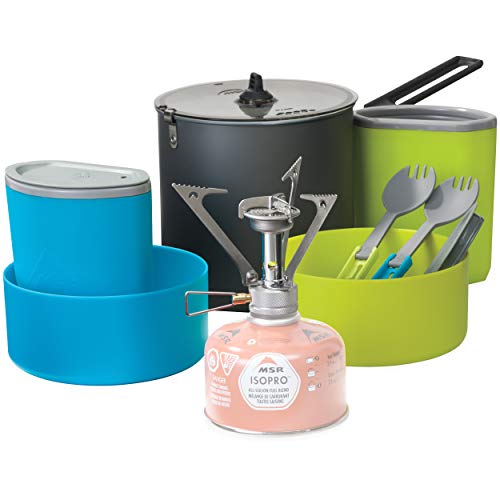
The kit features a canister stove, capable of boiling one liter of water in only 3.5 minutes. The complete kit is incredibly lightweight, weighing in at just 25.8 ounces.
Also included in the kit is a 2-liter aluminum pot, perfect for cooking up a hearty meal after a day of hiking. The pot’s strainer lid makes it easy to drain water, adding to the convenience of this all-in-one kit.
Accompanying the stove and pot are dishes and utensils for two, including two deep-dish bowls, two 12.5-ounce double-wall insulated mugs, and two folding sporks. Whether it’s a morning coffee or a warming stew, these accessories ensure you can dine in comfort, wherever you are.
One of the standout features of the MSR PocketRocket Stove Kit is its compact nested design. All kit contents pack easily into the cooking pot, resulting in a compact package that measures just 5.5 x 6.25 inches. This smart design makes it easy to pack and transport, saving valuable space in your backpack.
Features Include:
- Lightweight and rugged stove kit, ideal for backpacking duos
- Complete kit weighs just 25.8 ounces (732 grams)
- MSR PocketRocket canister stove that boils a liter of water in 3.5 minutes
- Compact nested design for easy packing and transportation
- Includes a 2-liter aluminum pot, dishes, and utensils for two
With the MSR PocketRocket Stove Kit, experience the joy of outdoor cooking without the hassle. It’s not just a stove kit; it’s a gateway to creating memorable meals in the heart of nature.
2. Sea to Summit Alpha Aluminum Nesting Camp Fire Cooking Equipment

The Alpha Set 2.2 is a comprehensive six-piece cookware set that includes two insulated mugs, two bowls, and two Alpha Pots (1.2L & 2.7L). These components have been carefully chosen to cater to all your cooking and dining needs in the great outdoors.
The super light, hard-anodized aluminum Alpha cook pots are not only strong and scratch-resistant but also easy to clean. This ensures they can withstand the rigors of outdoor use while minimizing your cleaning hassle.
Beyond their durability, the Alpha pots feature a host of practical details. The PIVOT-LOCK folding handle makes for easy handling and storage, while the easy-flow straining lid allows for convenient draining.
The pots also feature internal graded scales for accurate cooking and a textured base for stability on camping stoves.
Features:
- Lightweight and space-saving design
- Six-piece set including mugs, bowls, and pots
- Durable, scratch-resistant, and easy-to-clean Alpha pots
- Practical pot features include a folding handle, straining lid, graded scales, and a textured base
- Functional nesting design for easy packing
With the Sea to Summit Alpha Aluminum Camping Cookware set, you’ll have everything you need to whip up a satisfying meal in the wilderness. Enjoy the convenience of home cooking, no matter where your adventures take you.
3. Snow Peak Titanium Fork and Spoon Set
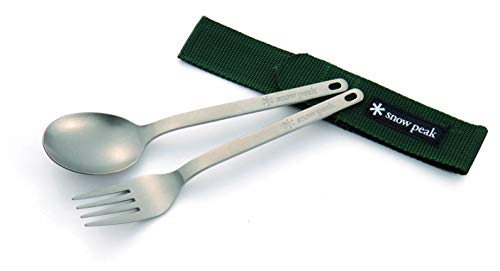
The set includes a fork and a spoon, versatile utensils that are perfect not only for camping trips but also for daily use. Their durable and sturdy design ensures they can withstand the rigors of outdoor use while maintaining their functionality and appearance.
The utensils are made with titanium, a material known for its strength and durability. This not only makes the fork and spoon long-lasting but also easy to clean. Simply use water and mild soap or place them in the dishwasher and air dry.
Adding to the convenience of this set is the included slim, stylish canvas carry case. This travel case allows you to easily pack and carry the utensils wherever you go, ensuring they’re always within reach when you need them.
Snow Peak has been creating heirloom-quality gear and apparel for over 60 years, with a focus on helping people slow down, connect with others, and feel close to nature. This Titanium Fork and Spoon Set is a testament to that commitment, offering you a reliable and durable option for enjoying meals outdoors.
Features:
- Ultralight spoon and fork set, perfect for outdoor adventures
- Versatile utensils suitable for camping trips and daily use
- Durable and sturdy titanium construction
- Easy-to-clean utensils, dishwasher safe
- Includes a slim, stylish canvas carry case for easy packing and transportation
With the Snow Peak Titanium Fork and Spoon Set, enjoy the simplicity and convenience of dining outdoors without compromising on quality or style. Experience nature with Snow Peak, and make each meal an adventure.
4. Jetboil Flash Camping and Backpacking Camp Fire Cooking Equipment System

One of the key features of the Jetboil Flash is its convenient pushbutton igniter. With just a push of a button, you can start heating instantly, eliminating the need for matches or lighters. This feature ensures a quick and hassle-free cooking experience, even in challenging outdoor conditions.
Enhancing the functionality of this stove is the thermochromic color-change heat indicator. This innovative feature changes color when the water is ready, taking the guesswork out of cooking and ensuring your meals are prepared perfectly every time.
Adding to the convenience of the Jetboil Flash is the bottom cup that doubles as a measuring cup and a bowl. This smart design reduces the number of items you need to carry, making your outdoor dining experience more enjoyable and less cluttered.
Despite these multiple features, the Jetboil Flash is incredibly lightweight. Weighing in at only 13.1 ounces, it’s easy to pack and carry, making it a perfect companion for all your adventures.
Features:
- Convenient pushbutton igniter for instant heating
- Thermochromic color-change heat indicator
- Bottom cup that doubles as a measuring cup and a bowl
- Lightweight design at only 13.1 ounces
With the Jetboil Flash Camping and Backpacking Stove Cooking System, you can enjoy the comfort of home-cooked meals, no matter where your adventures take you.
It’s not just a stove; it’s a cooking system that brings convenience and efficiency to your outdoor dining experiences.
Tips and Tricks for Using Campfire Cooking Equipment

Whether you’re a seasoned camper or a first-timer, a few pointers can go a long way in making your campfire cooking experience more enjoyable and efficient. Here are some of our top tips and tricks:
Know Your Gear
Understand the capabilities and limitations of your equipment. For instance, cast-iron pans retain heat well but are slow to heat up and cool down. Lightweight camping stoves are quick and efficient but might not handle a large meal.
Practice at Home
Before heading out on your trip, give your equipment a trial run at home. Get familiar with how things work and how to clean and maintain them. It’s easier to handle any learning curve in your kitchen than in the middle of the woods.
Prep Your Meals
Save time and reduce mess by prepping meals ahead of time. Chop veggies, marinate meats, and even pre-cook some items if possible. Consider meals that use only one pot or pan to minimize cleaning.
Clean Camp Fire Cooking Equipment As You Go
Cleaning your equipment right after use can prevent food from sticking and makes the job easier. Always have some biodegradable soap, a sponge, and a towel on hand.
Experiment with Recipes
Don’t limit yourself to hotdogs and beans. With the right equipment, you can make anything from pancakes and eggs to fish tacos and Dutch oven lasagna. Get creative!
Safety Precautions for Camp Fire Cooking Equipment
Ensuring a safe campfire cooking experience requires careful attention to various aspects. Let’s delve deeper into each crucial element to help you stay safe while enjoying your culinary adventures in the great outdoors.
Campfire Safety
Establishing and maintaining a safe campfire should be your first concern. Always build your fire in a contained area – use an existing fire pit or ring if one is available.
Keep your fire at a manageable size to reduce the risk of it spreading. Never leave your campfire unattended; an unwatched fire can quickly become a wildfire.
When you’ve finished with your fire, make sure to extinguish it completely. Douse it with water, stir the ashes and douse it again. Only when the ashes are cold to the touch is your fire truly out.
Remember to have a water source or a fire extinguisher close by whenever you have a fire burning.
Handling Camp Fire Cooking Equipment Safely
Hot cooking equipment can lead to severe burns if not handled correctly. Here are a few key points:
- Use Protective Gear: Always use heat-resistant gloves or pot holders when handling hot cookware.
- Be Aware of Surroundings: Make sure to keep your cooking area clear of flammable material.
- Stability: Ensure your cooking equipment is stable to prevent tipping and spilling of hot food or liquid.
- Keep Children and Pets at a Safe Distance: Be sure to supervise children and keep pets away from the cooking area to prevent accidents.
Food Safety
Keeping your food safe is just as important when camping as it is at home. Here are some key points:
- Storage: Keep perishable foods cool until it’s time to cook them. Use a cooler with sufficient ice or ice packs.
- Cooking: Make sure all food, especially meat, is cooked thoroughly to avoid foodborne illness. Use a food thermometer if possible.
- Leftovers: Don’t leave food out for more than two hours. Store leftovers in a cooler as soon as possible.
Ventilation
When using a camp stove, make sure you’re in a well-ventilated area to prevent carbon monoxide poisoning. Never use a camp stove inside a tent, camper, or any enclosed space.
Wildlife Awareness
Wildlife can be attracted to the smell of your cooking. It’s important to store food and cooking equipment properly to avoid unwanted encounters. Here are a few tips:
- Clean Up Immediately: Clean your cooking utensils and area right after use to minimize the smells that attract wildlife.
- Store Food Properly: Keep food and garbage in airtight containers or bear-proof canisters, and store them away from your sleeping area.
- Avoid Feeding Wildlife: Even if they appear friendly, feeding wildlife can make them dependent on humans and lead to dangerous encounters.
By adhering to these safety measures, you can ensure a safe and enjoyable campfire cooking experience.
Maintaining Your Campfire Cooking Equipment
To extend the life of your campfire cooking equipment and keep it performing at its best, proper care and maintenance are essential. Here are some guidelines based on the type of equipment you might be using:
Cast Iron Care
Cast iron cookware, like skillets or Dutch ovens, is highly durable and can last a lifetime if properly maintained. Here’s how:
- Clean Immediately: Clean your cast iron immediately after use. Avoid using soap or harsh scrubbing that can remove its seasoning. Instead, use hot water and a soft sponge or brush.
- Dry Thoroughly: After cleaning, dry your cookware thoroughly to prevent rusting. You can heat it over the fire or on a stove for a few minutes to evaporate any residual moisture.
- Season Regularly: Apply a light layer of cooking oil after each cleaning and heat it until it smokes. This process, known as seasoning, maintains the non-stick surface and protects against rust.
Camping Stove Maintenance
Portable camping stoves need regular maintenance to function optimally. Here’s how you can take care of them:
- Clean After Each Use: Wipe down your stove after each use. For a deep clean, check the manufacturer’s instructions as some parts may need to be removed and cleaned separately.
- Check for Blockages: Ensure that the burner, valves, and fuel line are free from blockages. A blocked burner can reduce efficiency, while a blocked fuel line can be dangerous.
- Regular Inspection: Before each use, inspect your stove for any damage, especially to the fuel line.
General Equipment Care
For all campfire cooking equipment, follow these general care tips:
- Storage: Store your equipment in a dry, clean place. If your gear will be in storage for a while, consider a thorough cleaning and drying before packing away.
- Avoid Abrasive Cleaners: These can damage the surfaces of your gear. Stick to mild detergents and soft cleaning tools like sponges or cloth.
- Repair as Needed: Keep an eye out for minor damages and repair them before they become bigger issues.
Proper maintenance of your campfire cooking equipment not only prolongs its life but also improves your overall camping experience.
Innovative Campfire Cooking Techniques
Aside from traditional campfire cooking methods, it’s exciting to explore innovative ways to prepare meals outdoors. Let’s explore some modern techniques that are both efficient and fun:
Foil Packet Cooking
This method is not only easy but also mess-free. Simply wrap your food—meat, veggies, or even fruits—in a few layers of aluminum foil and place it on hot coals. The foil packet acts like a mini oven that steams the food, bringing out amazing flavors.
Dutch Oven Stacking
If you’re cooking for a crowd, Dutch oven stacking is a handy technique. By stacking Dutch ovens on top of each other, you can cook multiple dishes simultaneously, saving both time and fuel.
Solar Cooking
A solar oven harnesses the power of the sun to cook food or boil water. While it might not be the fastest method, it’s eco-friendly and can be a great backup cooking method, especially during summer trips.
Wrapping Up Camp Fire Cooking Equipment

There’s nothing like the experience of cooking over a campfire—both for the unique flavors it imparts and the sheer joy of being in nature. With the right campfire cooking equipment and knowledge, it’s an experience that everyone should enjoy at least once.
Remember, the best gear for you depends on your specific needs and camping style. Choose equipment that’s durable, reliable, and aligns with your cooking preferences. Keep in mind the safety precautions and maintenance tips we’ve discussed, and you’re sure to have a fantastic outdoor cooking experience.
Additional Resources
For further reading and learning, check out the following resources:
- The New Camp Cookbook by Linda Ly
- Feast by Firelight by Emma Frisch
- Dirty Gourmet: Food for Your Outdoor Adventures by Aimee Trudeau, Emily Nielson, and Mai-Yan Kwan
- Websites: OutdoorGearLab, REI Co-op Journal, Backpacker Magazine Online


